Three Viet Han school systems sharing a unified development journey
An education system that does not need to be uniform, but aligned with individual directions
Differences in ability, circumstances, and goals make each learning journey unique. Therefore, what is needed is not a single unified model, but a set of options tailored to different developmental orientations.
Each student has different conditions, goals, and learning pathways
Some students need a stable environment to gradually adapt and develop step by step. Others require more experiences to explore themselves before making decisions.
When placed in the right environment, students no longer have to strive to become like others. They begin to understand where they are, what they need, and which direction they should take. This alignment makes learning more natural and meaningful.
Education needs diverse models to meet varied developmental needs
A single educational model can hardly meet the diversity of learners. Building multiple approaches does not fragment the system, but instead expands opportunities for students. With more choices, each individual can more easily find an environment that matches their abilities and goals, rather than being forced to adapt.
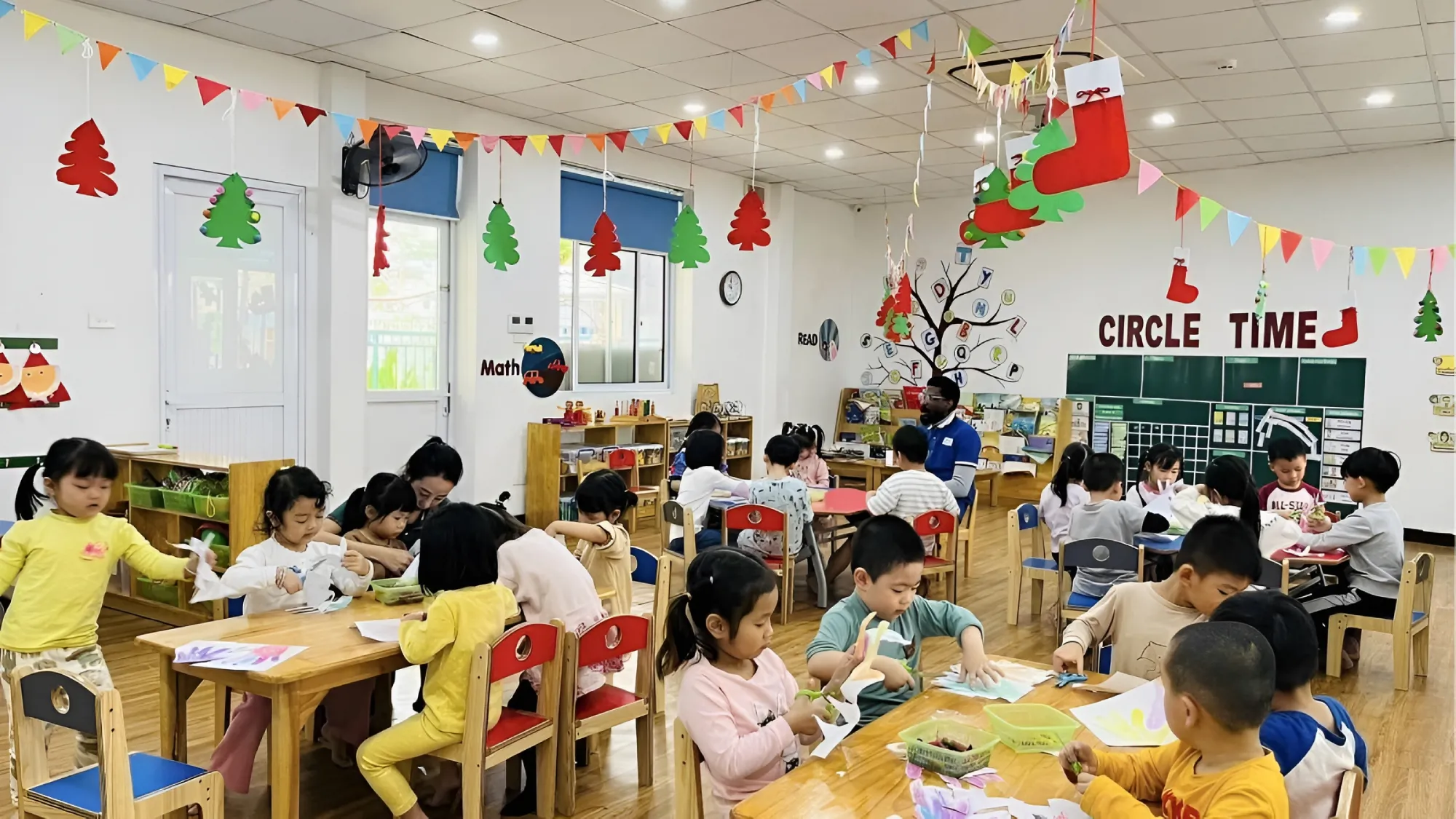
Phamschool: a balanced foundation environment for the early stage
This is the stage where the first foundations of emotions, thinking, and learning approach are formed. Therefore, balance and stability are more important than early achievement.
Focusing on developing thinking, emotions, and early learning capacity
At Phamschool, children do not only learn knowledge, but learn how to learn. Activities are designed in an experiential way, encouraging children to explore actively rather than passively receive information.
Children are encouraged to ask questions, try, make mistakes, and understand that learning is a journey of discovery rather than a task to be completed. This process helps them build independent thinking, communication skills, and confidence from an early age.
A stable learning environment designed for the majority of students
A stable environment helps children avoid the pressure of constant change. They have time to adapt, understand themselves, and build a sense of safety in learning. When anxiety is reduced, learning becomes more natural.
This is an important foundation that prepares children for the next stages of education without losing balance.
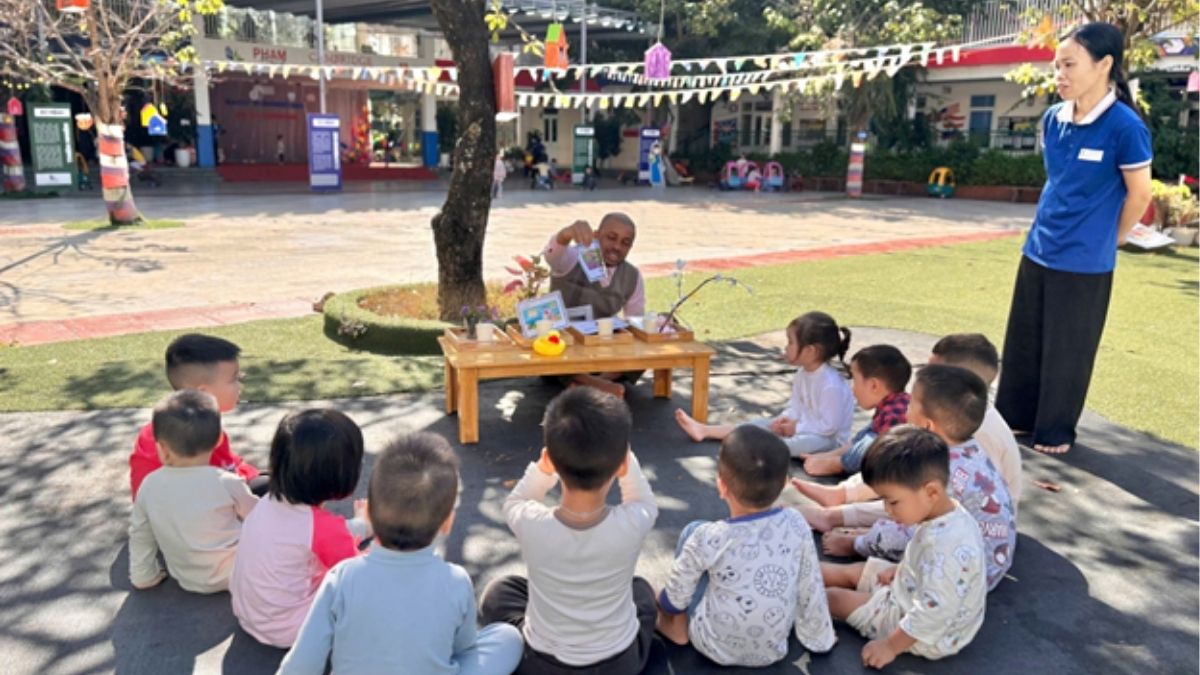
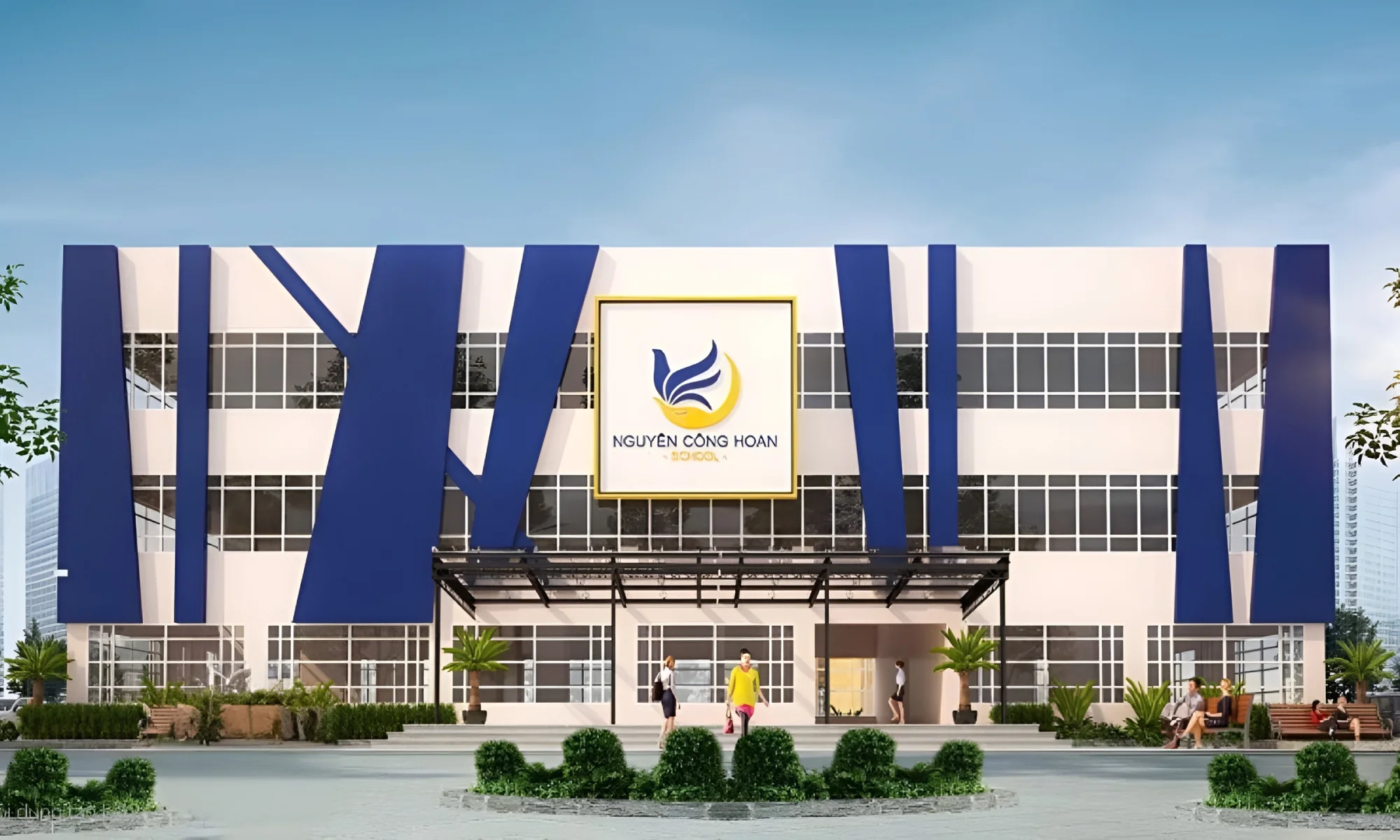
Nguyen Cong Hoan High School: general education with a practical development orientation
At the high school stage, students begin facing important choices related to their future. Therefore, the learning environment must not only provide knowledge, but also help students understand themselves and shape a suitable direction.
Building a strong foundation of knowledge and long-term learning skills
Learning is not limited to memorizing information, but must go hand in hand with thinking ability and learning methods.
Students are trained in problem-solving approaches, self-learning skills, and the ability to apply knowledge in real-world contexts. These skills help them not only pass exams, but also adapt effectively to future changes.
Suitable for students with a clear academic pathway and defined goals
For students who already have specific objectives, a clear learning environment helps them focus and develop more effectively. This clarity of pathway does not limit choices, but instead allows students to go deeper into their chosen direction. When they know what they are aiming for, learning becomes more proactive and less stressful.
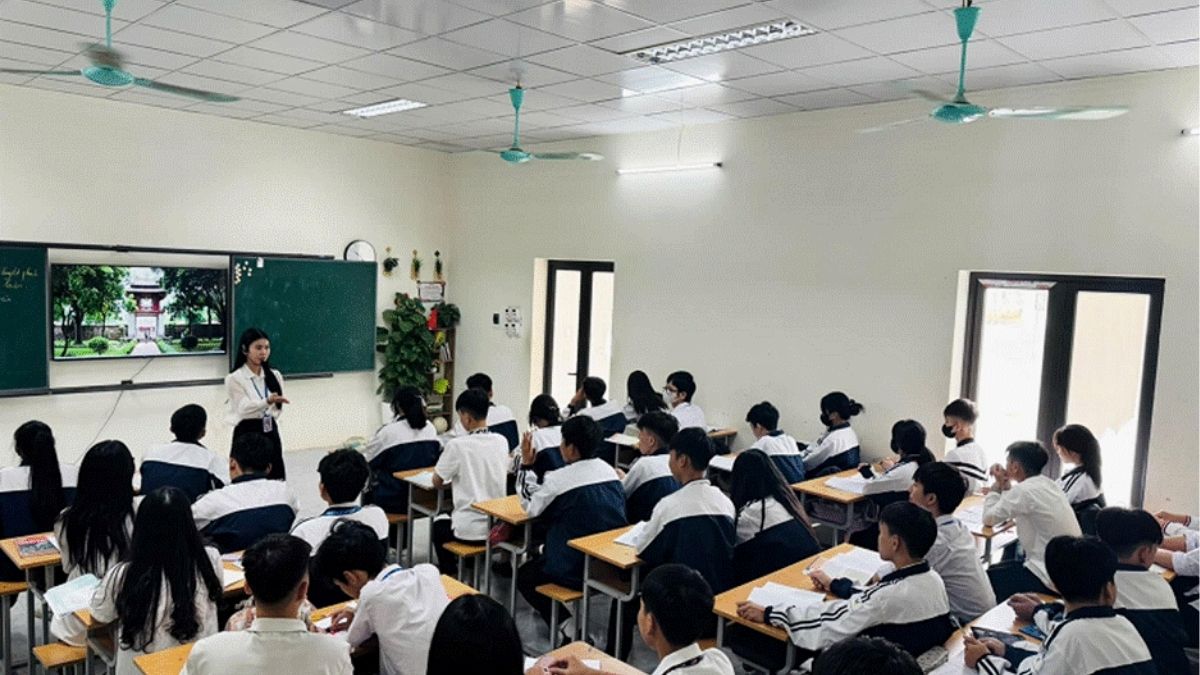
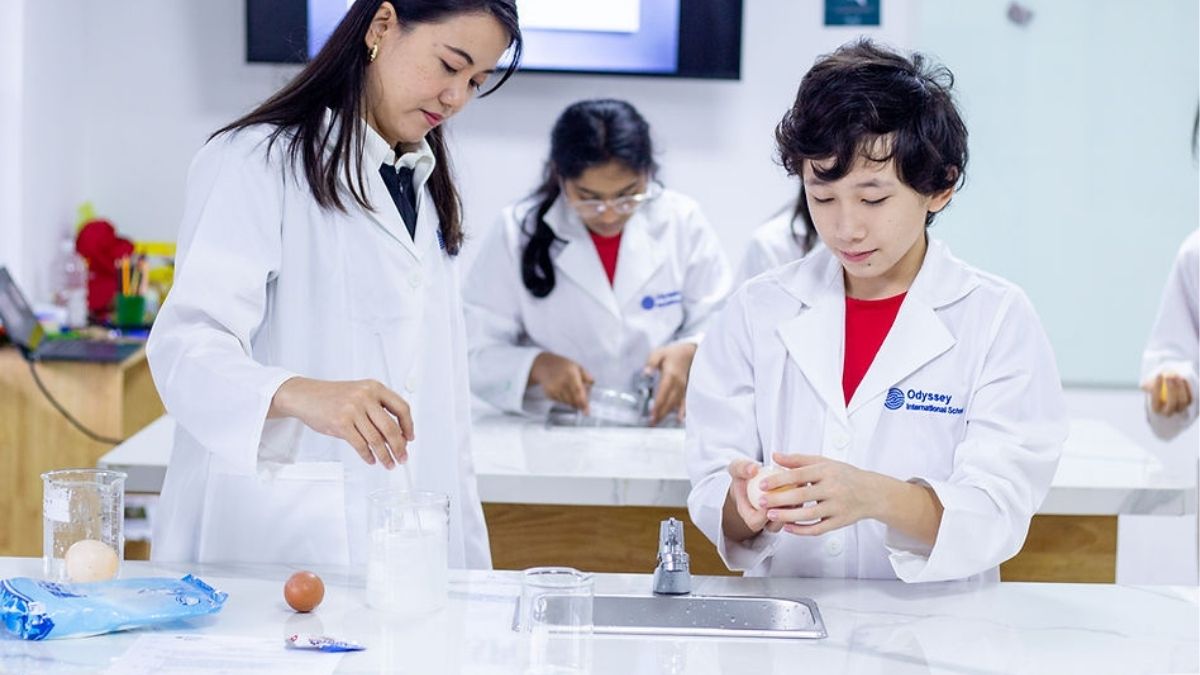
Odyssey International School: an international environment for advanced integration and global learning
When a strong foundation has been established, some students need to step into a broader environment to expand their thinking and adaptability. This is not just a change in curriculum, but a shift in how they perceive the world.
Accessing modern curricula and global thinking
At Odyssey, students do not learn through memorization, but through exploration and connection.
They are encouraged to ask questions, approach problems from multiple perspectives, and actively participate in the learning process. This helps develop flexible thinking and the ability to adapt to change.
Suitable for international learning pathways and broader development orientation
An international environment provides students with exposure to diverse cultures and ways of thinking. In such diversity, students not only grow academically but also gain a clearer understanding of themselves and their place within a broader global context.
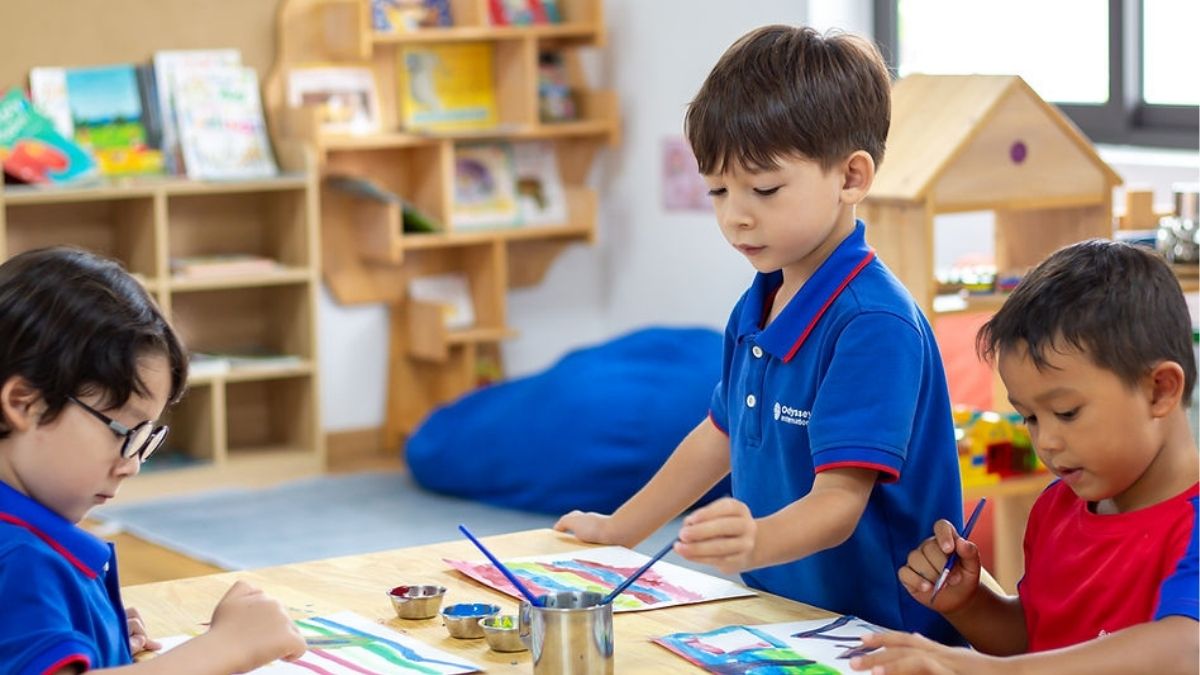
Three distinct systems designed to complement one another
The three school systems do not exist as separate options, but are built as a connected ecosystem. Each environment is suited to a different stage or direction, yet all share the common goal of supporting holistic student development.
Not separated, but forming flexible choices based on individual needs
Students can begin in a stable foundational environment and later transition to a more suitable setting as their needs evolve. This flexibility ensures that the learning journey is not interrupted, but always aligned with each stage of development.
Moving toward balanced development rather than a single uniform model
Instead of applying one standard model to everyone, the system focuses on ensuring that each student has the opportunity to develop fully. Equality here does not mean sameness, but rather that everyone is given the conditions to grow in the best way for themselves.
The value of the system lies in its diversity and long-term orientation
A sustainable education system is not built for short-term outcomes, but for the long-term development of learners. Diversity in options and clarity in direction form the foundation of this value.
Ensuring each student has a suitable environment for development
Not every student thrives in the same environment. With multiple options available, each student has the opportunity to find a place that fits them—where they can maximize their abilities and feel that learning is truly meaningful.
Building a flexible educational ecosystem across different learning pathways
A flexible educational ecosystem allows students to adjust their learning path without losing their foundation. This flexibility not only helps the system adapt to change, but also opens up more opportunities for students throughout their long-term journey of development.
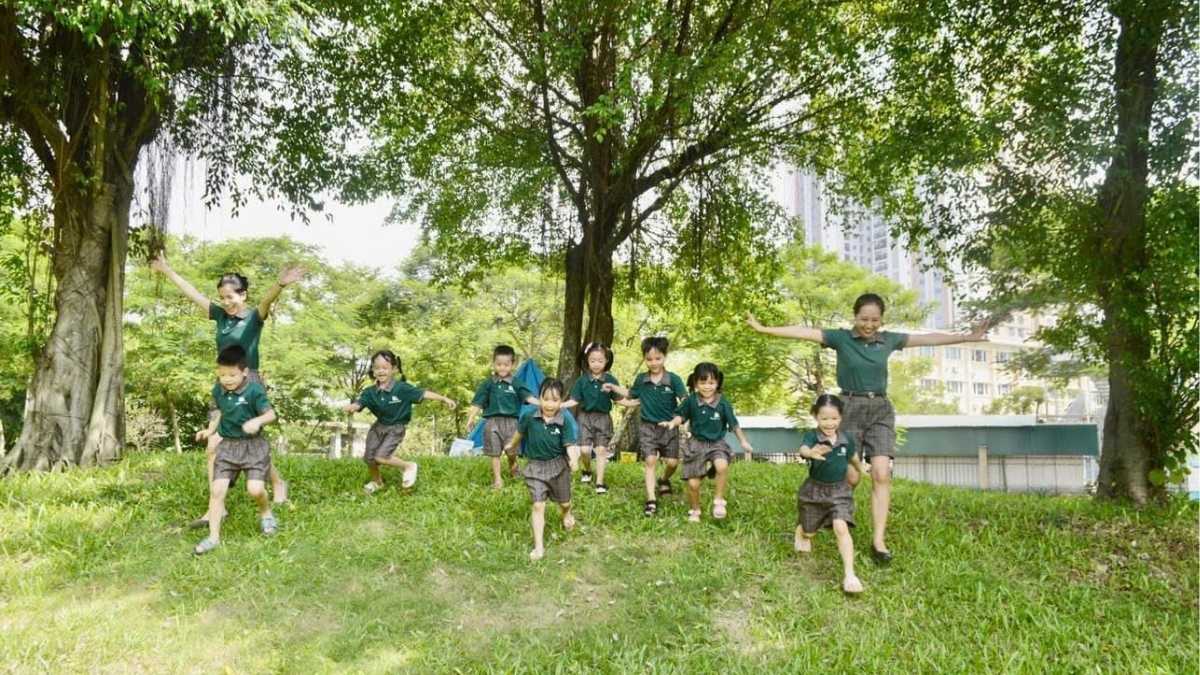
Conclusion
The three school systems are not built to be identical, but to allow each student to find a path that suits them. Viet Han Group chooses to develop by respecting differences, creating an educational ecosystem where every journey has a solid foundation and long-term opportunities for growth.