Caravela Hoi An: Where the heritage of sedge mats is reborn along the Thu Bon River
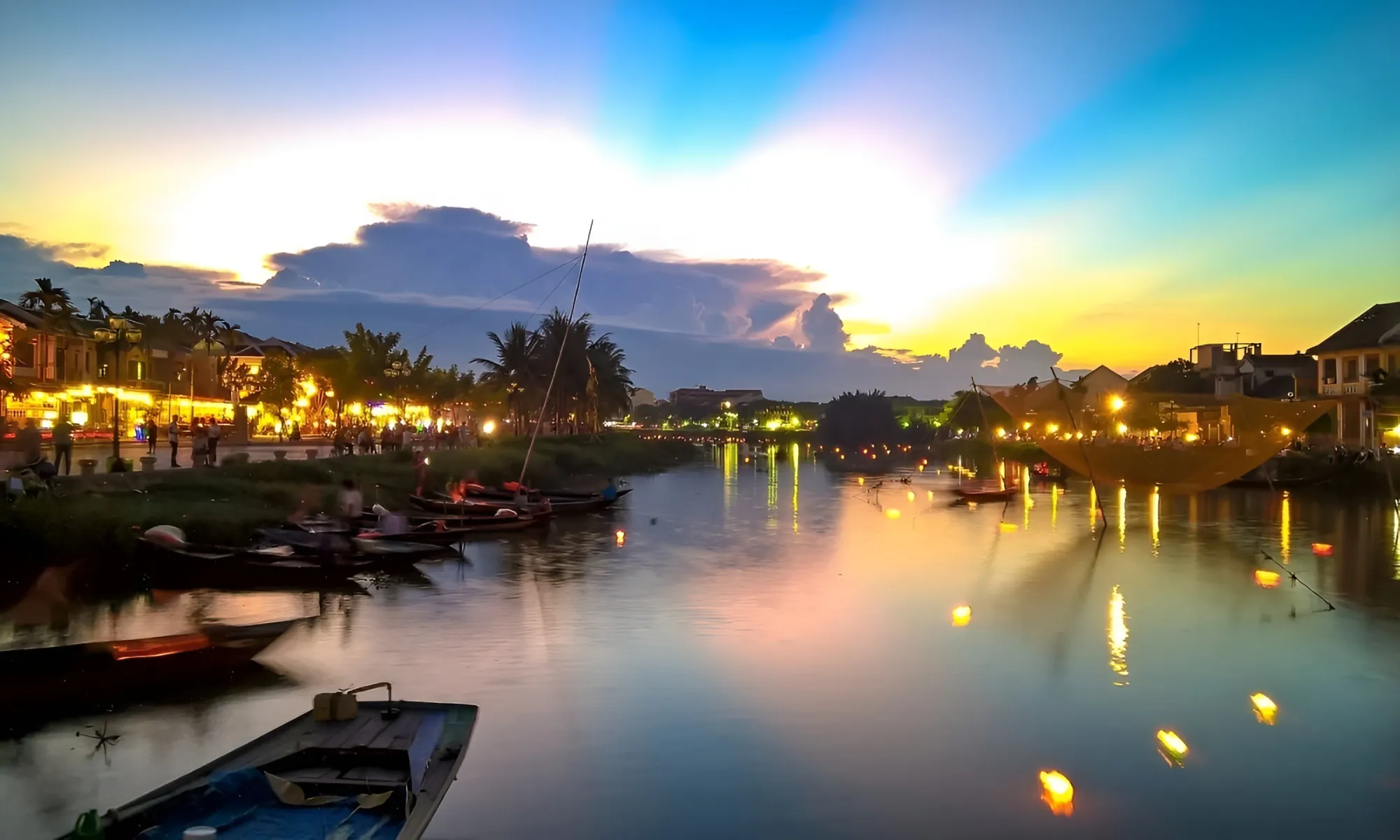
In the development orientation of Viet Han Group, Caravela Hoi An is not just a resort project, but a journey to bring the Tra Nhieu woven mat craft village back into everyday life, where heritage continues to exist within a cultural space and a sustainable livelihood ecosystem.
Hoi An and the formation of craft villages along the Thu Bon River
It is no coincidence that Hoi An became a convergence point for many traditional craft villages. Everything begins with the Thu Bon River, once a vital trade route and a nurturing ground for an entire cultural ecosystem.
Hoi An trading port created a craft village ecosystem along the river
From the 16th to the 18th century, Hoi An was a major international trading port where merchant ships from many countries docked. The rising demand for handmade goods led to the formation of a chain of craft villages along the Thu Bon River, including pottery, carpentry, vegetables, and sedge mat weaving.
Each craft village did not exist in isolation, but as part of a shared economic and cultural structure. This interconnection allowed them to develop and endure for centuries.
Tra Nhieu woven mats: a fading cultural fragment
While many craft villages have gained wide recognition, Tra Nhieu has gradually fallen into silence. Despite its over 500-year history, the mat weaving craft is no longer clearly present in tourist experiences. Not because it lacks value, but because it has not yet been placed in the right position within the modern tourism landscape.
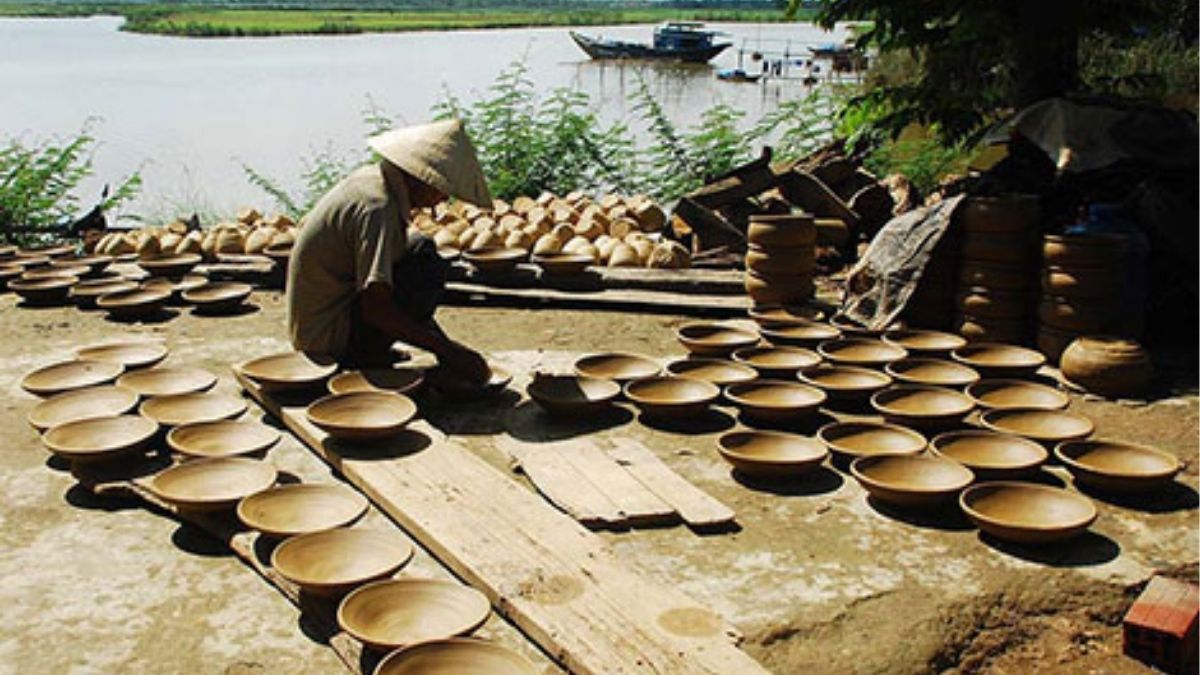
When traditional craft villages are not properly connected to modern tourism
A craft village can exist for hundreds of years, yet still gradually fade from memory if it is no longer part of modern tourism and economic flows, and Tra Nhieu is precisely in that gap.
Large tourist flows, but the weaving village is almost absent from the experience map
Hoi An receives millions of visitors each year, but most of this flow is concentrated in the Ancient Town and a few well-known attractions. Meanwhile, the Tra Nhieu weaving village is barely included in main travel itineraries, despite being located very close to the center.
The extremely low visitor access rate reflects a clear reality: it is not a lack of resources or stories, but a lack of proper connection to tourism. When it is not included in the travel journey, cultural value remains unseen, no matter how deep it is.
The weaving craft is disconnected from the local tourism and economic chain
When it is not part of tourism flows, the weaving craft is also disconnected from its surrounding economic value chain. Products lack stable outlets, are not tied to experiences, and have no clear identity within the Hoi An tourism landscape.
What is important is that the craft does not disappear because it lacks value, but because it is separated from tourism, economic activity, and modern life. Without this connection, the craft gradually falls silent, and the risk of disappearance becomes only a matter of time.
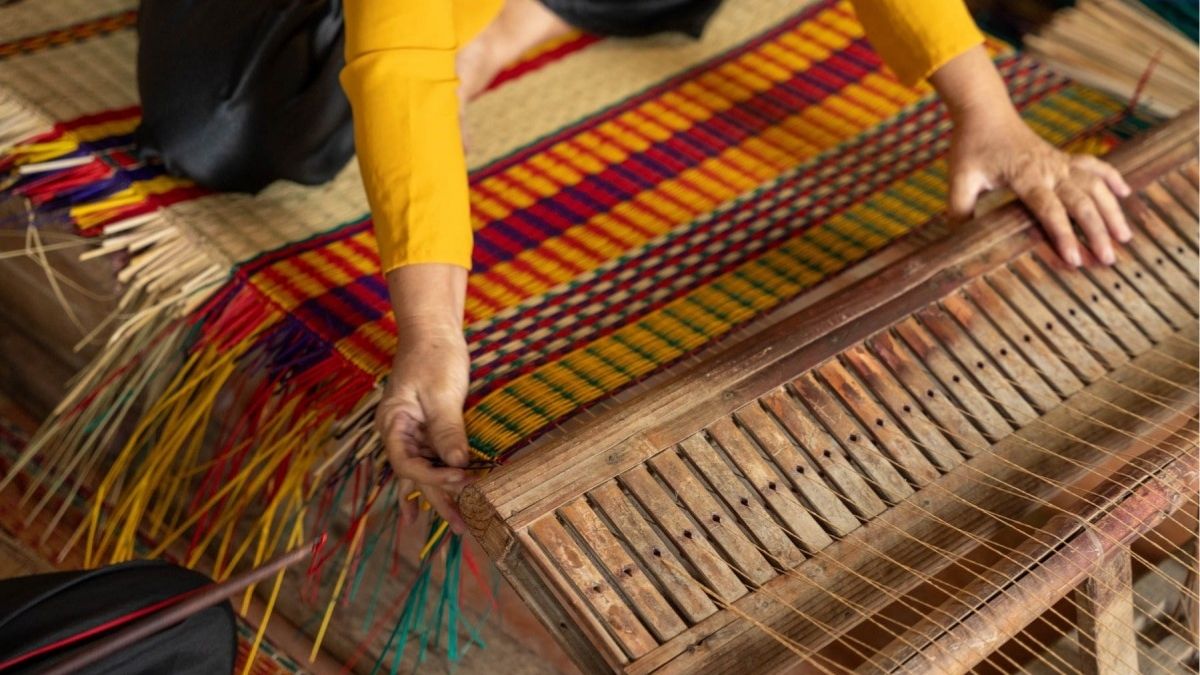
A new approach to bringing heritage back into tourism flows
Instead of preserving heritage as a fragment of memory, the new approach aims to bring it back into everyday life, becoming part of the visitor’s real experience.
Not isolated preservation, but placing heritage within lived experiences
Heritage is no longer kept in static exhibition spaces, but integrated into real activities where visitors can directly observe and participate. The weaving craft is not only narrated, but experienced through each specific stage of production.
When visitors can see, touch, and create with their own hands, heritage value is no longer just information, but a personal perception. This experience allows culture to continue in a more natural way.
Connecting culture, landscape, and tourism activities in a unified space
The experiential space does not separate elements, but connects craft village culture, river landscapes, and tourism activities into a seamless whole.
Visitors do not only come to sightsee, but to live within the space, feel its rhythm, and understand how people are connected to their craft and to nature. When these elements are brought together, the experience becomes deeper and heritage is no longer outside of modern life.
Caravela Hoi An: a hybrid model of retreat and heritage
Caravela Hoi An is not designed as an isolated resort, but as a model embedded within the flow of the craft village, where hospitality and heritage coexist within a shared environment.
A resort and spa project integrated with a sedge mat museum space
Unlike traditional tourism models, Caravela does not separate accommodation and culture into distinct zones. Lodging, wellness services, and the sedge mat museum are integrated into a unified ecosystem, where every activity is interconnected.
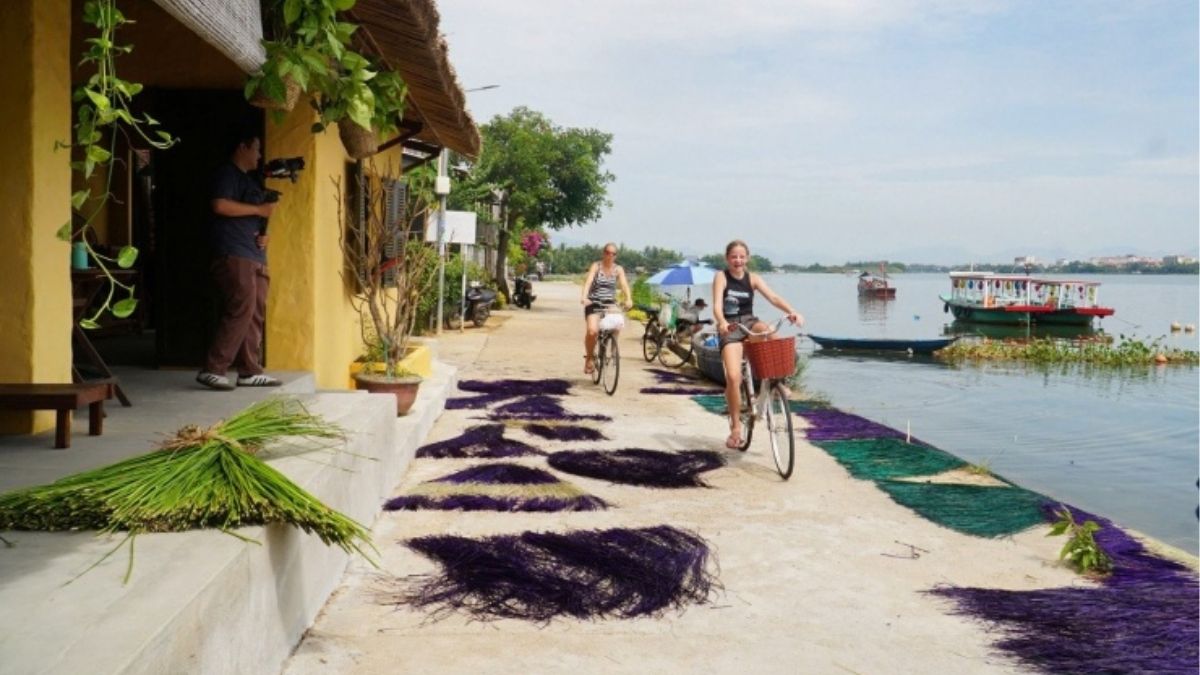
The museum is not merely a place for displaying artifacts, but a living space of the craft itself. Visitors can observe the entire weaving process, from raw materials to finished products. The craft is not frozen in the past but continues to exist in the present.
Strategic riverside location close to Hoi An Ancient Town
Caravela is located along the Thu Bon River, within close proximity to Hoi An Ancient Town. This positioning offers a clear advantage: it is sufficiently detached to maintain tranquility, yet close enough to connect with the main tourist flow.
From a single retreat point, visitors can easily access both the vibrant cultural space of the Ancient Town and the peaceful atmosphere of the craft village. This shift between contrasting environments creates a unique experience, where travelers do not merely visit, but truly inhabit multiple layers of space.
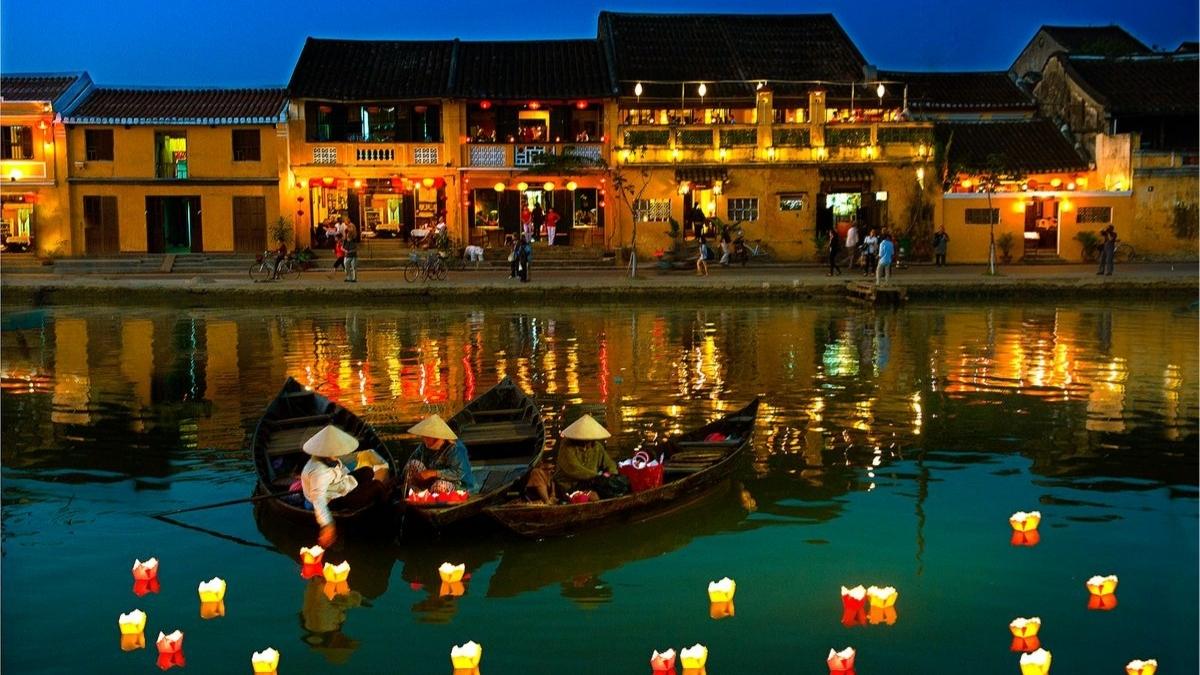
An experience built from multiple layers of space
A journey is not created from a single activity, but from multiple overlapping layers of experience, where each element contributes to the overall perception.
Integrating accommodation, wellness, and cuisine into a holistic retreat journey
Caravela aims to build a comprehensive relaxation journey where visitors do not only rest but are also restored both physically and mentally.
The accommodation spaces are designed to feel close to nature, combined with wellness activities that help guests slow down and step away from the pace of daily life. Local cuisine is integrated as part of the experience, allowing visitors to connect with the essence of the region through every meal.
Museums and workshops allowing direct engagement with the weaving craft
Visitors do not only tour the museum, but can also directly participate in activities such as weaving mats, dyeing sedge, or learning about the production process. When they engage with their own hands, understanding the craft is no longer theoretical knowledge but a personal experience.
This participation creates a deeper connection between visitors and heritage, allowing the weaving craft not only to be seen, but truly felt.
When architecture and landscape become part of the heritage narrative
Space is not only for use, but also a way of telling the story of a place through architectural details and the surrounding landscape.
Open spaces connected to the river, sedge fields, and craft village
From the Thu Bon River to the sedge fields and the craft village landscape, everything is preserved as part of the experience. Visitors are not outside observers, but are placed directly within the environment where nature and people coexist.
The open spatial design removes the boundary between resort and craft village, creating a seamless rather than fragmented experience.
Design in harmony with nature and preservation of the ecosystem
Most of the area is dedicated to greenery, water surfaces, and sedge fields, ensuring the natural environment is not disrupted. Architecture is designed to blend into the landscape, not dominate it, but become part of the whole.
This approach not only preserves natural beauty but also allows heritage to exist within its original context.
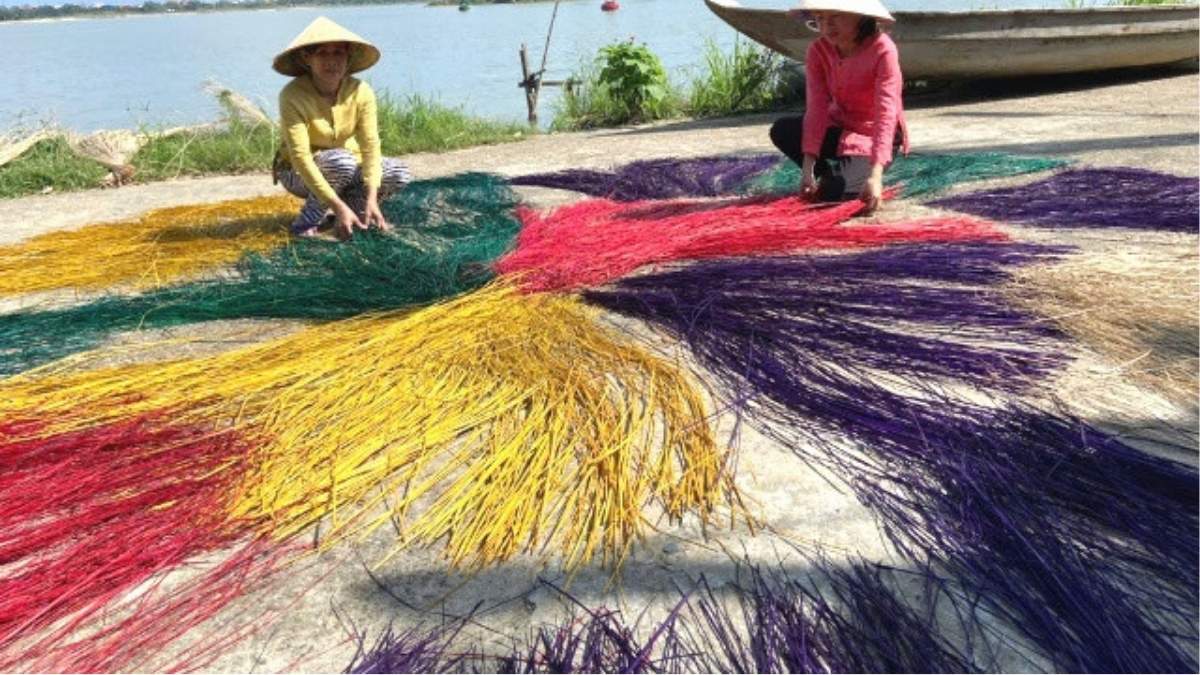
The project creates long-term value for the local community
A project is truly meaningful only when it generates direct value for local people, not just in the short term but throughout its long-term journey.
Creating livelihoods for artisans and local residents
Reintroducing the weaving craft into an experiential model helps generate a stable income stream for artisans and local residents. Instead of relying solely on traditional production with limited market access, local people gain opportunities to participate in service activities, guide experiences, and directly provide products to visitors.
Livelihoods are no longer constrained but expanded in multiple directions, allowing the craft to continue existing.
Bringing the craft village back into modern life
When connected with tourism and experiential activities, the craft village is no longer outside the flow of modern development. The weaving craft is not only for practical use but becomes part of a cultural discovery journey. This helps heritage avoid being frozen in the past and continue to exist in today’s life.
Connecting heritage, tourism, and sustainable development
Sustainability does not come from preserving the status quo, but from creating a model that balances conservation and development.
No separation between preservation and economic growth
Heritage can only exist long term when placed within an operational economic structure. When the weaving craft becomes part of tourism, it is no longer merely a maintenance activity, but a source of real value. This allows preservation to move beyond external support and become self-sustaining.
Building a tourism model rooted in long-term cultural value
Caravela aims to create a model where tourism is not just about exploiting resources, but about retelling cultural stories in a sustainable way. When experiences are built on authentic values, visitors do not only come once, but may return or share the story further. This becomes the foundation for heritage not only to be preserved, but to continue evolving into the future.
Conclusion
Caravela Hoi An is not only a resort project, but also a way for Viet Han Group to bring the Tra Nhieu woven mat heritage back into modern life, where culture, livelihoods, and experiences coexist within a shared journey of sustainable development.